



How to Build a Florist Shop on UniLink (Arrangements, Events, and Delivery Bookings)
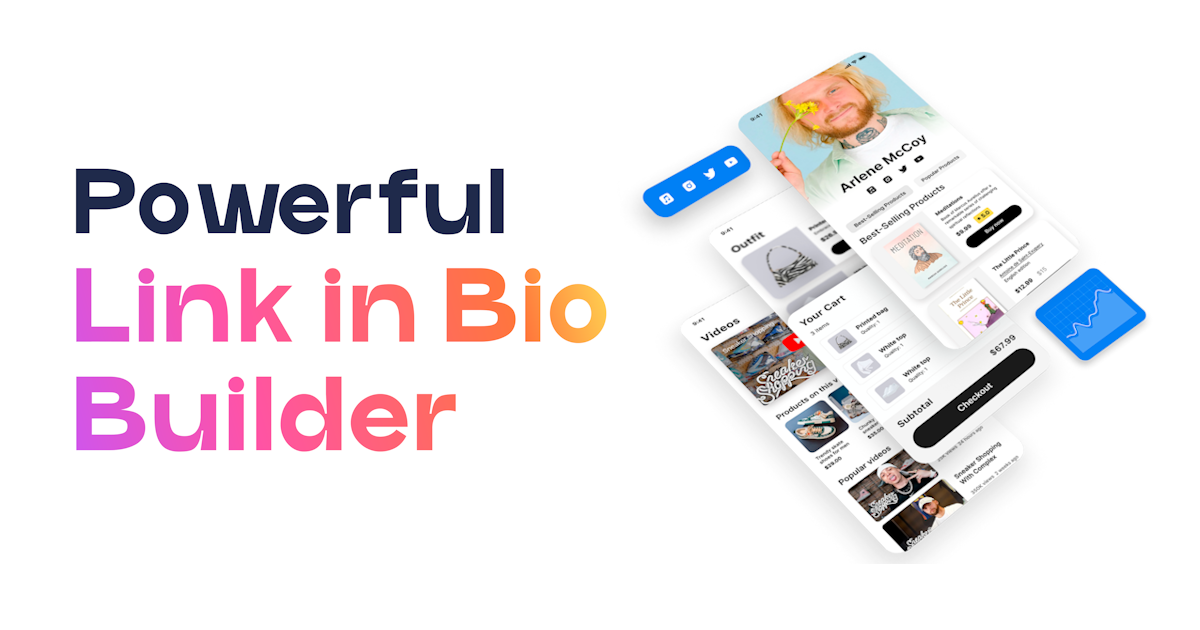
How to Build a Florist Shop on UniLink (Arrangements, Events, and Delivery Bookings)
Give your flower business one professional home — sell bouquets, book event consultations, capture custom arrangement requests, and count down to seasonal drops, all from a single link.
Floristry is a business that runs on timing and trust. A customer searching for wedding flowers needs to find a florist who understands their aesthetic before they'll even book a consultation. A person ordering a same-day bouquet needs to know delivery is available and pay in under a minute. These are completely different journeys, but they often arrive at the same Instagram bio link. UniLink lets you serve both audiences from one intelligent page, without forcing either group through a workflow built for the other.
What a Florist Shop on UniLink Does
Your UniLink page functions as both a storefront and a studio portfolio simultaneously. Walk-in customers and gift-givers see a shop with product photos, prices, and instant purchase options. Event and wedding clients see your gallery of arrangements, a consultation booking flow, and a form to describe their vision. Both experiences coexist on one URL that you can share from Instagram, TikTok, a Google Business profile, and printed flyer alike.
The Shop block handles everyday bouquet sales and recurring product lines. Each product has a photo, description, price, and add-to-cart function. The Appointment block manages delivery slot bookings, in-store collection scheduling, and event consultations as separate types with separate availability windows and pricing. The Form block captures custom arrangement requests — occasions, colour palette, flower preferences, budget, and event date — in a structured format that starts every custom conversation with a real brief.
The Countdown block is purpose-built for floristry's seasonal peaks. Valentine's Day and Mother's Day together represent a significant portion of annual revenue for many florists. A countdown that says "Valentine's Collection — Orders Close In: 3 days, 4 hours" running during the first week of February turns browsing visitors into urgent buyers. The email signup block captures customers who missed this season's drop but want to be first to know about the next one, building a list that compounds in value every year.
How to Get Started
- Create your UniLink account — go to unil.ink/signup and choose a username matching your business name. A light, nature-inspired template with botanical tones sets the right visual mood for a floristry brand.
- Add a Shop block for products — insert a Shop block. Add your standing product lines: seasonal bouquet options (Small, Medium, Large), signature arrangements, wrapped posies, and gift add-ons (vase, card, chocolates). For each product, upload a clear product photo on a clean background, write a sensory description, and set the price.
- Add an Appointment block for consultations and delivery — insert an Appointment block. Create types for: Event/Wedding Consultation (60 min, in-person or video), Same-Day Delivery Slot, Next-Day Delivery Slot, and In-Store Collection. Set availability, pricing, and deposit requirements for consultation types.
- Add a Gallery block for arrangement photography — insert a Gallery block with your best arrangement photography. Create categories: Wedding Florals, Event Decor, Seasonal Collections, Everyday Arrangements. Lead each category with a full-scale hero image that captures the mood of that style.
- Add a Form block for custom arrangement requests — insert a Form block titled "Request a Custom Arrangement." Add fields for: Occasion, Event Date, Colour Palette, Preferred Flowers (if any), Budget Range, Delivery or Collection, and any specific design notes or inspiration images.
- Add a Countdown block for seasonal drops — insert a Countdown block. Set it to the next major seasonal deadline (Valentine's, Mother's Day, Christmas). Title it clearly: "Valentine's Day Collection — Last Orders:" with the closing date and time.
- Add an email signup for seasonal offers — insert a subscription or email capture block. Use a short incentive: "Join our seasonal newsletter — be first to access limited collections and exclusive offers." This builds a direct channel independent of any social platform algorithm.
How to Use It
- Update shop products as your seasonal inventory changes — floristry is inherently seasonal. Swap product photos and descriptions as flowers change with the season. A shop showing peonies in January and poinsettias in July tells customers the page isn't maintained. Current products signal a living, active business.
- Set delivery slot capacity to match your driver or fulfillment capacity — in the Appointment block, cap delivery slots at the number of deliveries you can realistically complete in each window. Overbooking delivery slots is more damaging to reputation than refusing orders — a late or missed delivery on a birthday or anniversary is unforgettable for the wrong reasons.
- Photograph arrangements immediately after completion — take product photos before delivery whenever possible. Consistent, professional product photography — even with a smartphone against a clean wall in good window light — directly drives shop conversion rates.
- Activate the countdown block at least two weeks before seasonal peaks — add the countdown and begin promoting it in stories and feed posts two weeks before the ordering deadline. Run daily story reminders in the final three to four days. The combination of visual urgency on the page and social reminders is the most effective seasonal sales strategy for florists.
- Use the custom form to pre-qualify event clients — review custom arrangement requests before booking a consultation. If a client's budget or floral vision doesn't align with your capabilities or minimums, respond with a polite note rather than after a one-hour consultation. The form protects your time.
- Email your seasonal newsletter list before public announcements — give email subscribers 24–48 hours of early access to seasonal collection pre-orders before you post publicly. This rewards the list, increases open rates for future emails, and often sells out allocations before the social announcement even needs to work.
- Review shop analytics after each seasonal peak — check which products were viewed most, which converted to purchases, and which appointment types booked out first. Use this data to decide what to restock and what to discontinue in the next season.
Key Settings Explained
| Setting | What it controls | Best practice |
|---|---|---|
| Shop product stock limit | Marks a product as sold out when a set quantity is reached | Set stock limits for seasonal and limited items; unlimited stock is fine for made-to-order arrangements |
| Appointment slot capacity | Maximum bookings per delivery or collection window | Set equal to your maximum realistic fulfillment capacity per window — conservative limits protect reputation |
| Countdown block timezone | Ensures the deadline displays correctly for visitors in different regions | Set to your local timezone; add the timezone abbreviation to the countdown title for clarity |
| Form — event date field | Captures the client's event or delivery date in the custom request form | Make this a required date picker field; knowing the date before first contact prevents booking impossible timelines |
| Email signup incentive text | The reason shown to visitors for joining your newsletter list | Specific incentive ("early access to Valentine's drop") converts better than generic ("stay updated") |
How to Get the Most Out of It
Floristry is one of the few retail categories where the product is inherently emotional — people buy flowers to express feelings they find hard to put into words. Your UniLink page should reflect that. The Gallery block should not feel like a product catalogue; it should feel like a mood board. When a potential wedding client lands on your page and sees arrangements that make them feel exactly the way they want to feel on their wedding day, the consultation is already 80% sold. Invest in one or two truly beautiful gallery hero images for each category rather than filling every slot with average shots.
The email newsletter list is a long-term asset that most florists never build because the upfront work feels low-priority. But consider the maths: if you collect 500 email addresses over six months and email them before your Valentine's Day collection opens, a 30% open rate and a 10% purchase rate means 15 orders before you've made a single social post. Those are customers who opted in specifically because they liked your work — the highest-quality marketing audience you will ever have access to, and it costs nothing to send to.
The Appointment block's event consultation type serves a different function from delivery booking, and setting it up correctly matters enormously. A wedding consultation that books without a deposit is a consultation that 20–30% of clients don't show up for. Add a small, refundable consultation deposit ($25–$50) for event clients. The deposit filters out tyre-kickers, signals your professionalism, and is credited toward the eventual event invoice for clients who proceed. This single change typically increases consultation show-up rates from 70% to above 95%.
Custom arrangement requests through the Form block allow you to build a relationship before you've quoted a single price. A client who submits a thoughtful request — sharing their colour palette, their event date, their grandmother's favourite flower — is a client who is already emotionally invested in working with you specifically. Respond to these requests within a few hours whenever possible. Warm enquiries for custom floristry work cool remarkably quickly: a client who loves your work and submits a request on Monday will book a different florist by Wednesday if they haven't heard back.
Troubleshooting Common Issues
| Problem | Likely cause | Fix |
|---|---|---|
| Delivery slot times confusing customers in different time zones | Slot times displayed in your local timezone without labelling | Add timezone abbreviation to all delivery slot names (e.g., "10am–12pm EST") and note your location in the Overview block |
| Valentine's collection selling out before all customers can order | Insufficient product stock limits or no early access strategy | Set conservative stock limits, give email subscribers 48-hour early access, and add a waitlist form for latecomers |
| Custom form submissions arriving without a usable budget | Budget field is an open text field allowing vague responses like "not sure" | Change the budget field to a dropdown with ranges (Under $150, $150–$300, $300–$600, $600+); structured options produce usable data |
| Gallery looks outdated after seasonal transitions | Gallery photos reflect previous season's flowers and colour palettes | Schedule a 20-minute gallery refresh at the start of each new season; remove previous season's hero images and replace with current work |
Pros
- Shop, gallery, consultation booking, and custom requests in one URL serves both impulse buyers and event planners simultaneously
- Countdown block is a proven urgency mechanism for seasonal peaks like Valentine's Day and Mother's Day
- Email newsletter list provides an algorithm-independent channel to reach your best customers every season
- Custom request form captures complete briefs before any conversation begins, saving hours of exploratory back-and-forth
Cons
- Physical delivery fulfillment is entirely manual — UniLink processes orders but doesn't dispatch a driver
- Highly perishable inventory means product listings need frequent updates as available flowers change with supply
- Not a substitute for a full local SEO strategy if you want to rank for "florist [city]" searches on Google
Frequently Asked Questions
Can I take corporate account orders for regular office deliveries?
Yes. Create a dedicated service type in the Appointment block for "Corporate Weekly Delivery" and a matching form that captures account details, delivery address, standing order preferences, and invoicing information. Contact the client to set up the recurring arrangement after the initial form submission.
How do I handle wedding floristry quotes that require an in-person visit?
Create a Wedding Consultation appointment type that is clearly labelled as an initial scoping session. Add a note explaining that venue visits and detailed quotes are arranged after the initial consultation. This sets expectations accurately and prevents clients from expecting a firm quote before you've seen the venue.
Can I offer a monthly flower subscription through UniLink?
The Membership block supports recurring payments. Create a monthly subscription tier — "Monthly Seasonal Bouquet" — where subscribers pay monthly and you deliver or prepare a standing arrangement each month. This creates predictable revenue and simplifies your weekly production planning.
What's the best way to handle last-minute same-day orders?
Create a same-day availability appointment type with limited slots (two or three per day) that you open each morning if you have capacity. Use your Instagram stories to announce "same-day slots available today — link in bio" when you open them. This creates spontaneous demand without committing to same-day fulfillment as a permanent promise.
Can I collect email addresses from customers who already placed orders?
You can add an optional email newsletter opt-in checkbox to your Shop checkout flow and your custom request form. Customers who have already purchased are your highest-value list members — they've converted once and are the most likely to convert again for the next seasonal collection.
Key Takeaways
- A Shop block with product photos, prices, and stock limits serves impulse bouquet buyers; an Appointment block with separate types serves event and wedding clients — both on one page.
- A Countdown block activated two weeks before Valentine's Day or Mother's Day is the most effective urgency tactic available to florists during seasonal peaks.
- A structured custom request form with colour palette, budget range, and event date fields produces complete briefs that make every initial consultation more efficient and productive.
- An email newsletter list built through a simple signup block compounds in value every season and provides a direct, algorithm-independent channel to your most engaged customers.
- Capping delivery slots to your realistic fulfillment capacity prevents reputation-damaging late deliveries on occasions where timing is everything.
Ready to build your florist shop in one place?
Create your UniLink florist page today — bouquet shop, event bookings, seasonal drops, and email list all on one professional link you share everywhere.
Get Started FreeCreate Your Free Link-in-Bio Page
Join thousands of creators using UniLink. 40+ blocks, analytics, e-commerce, and AI tools — all free.
Get Started Free