



How to Build a YouTube Link Hub on UniLink (Everything in Your Video Description)
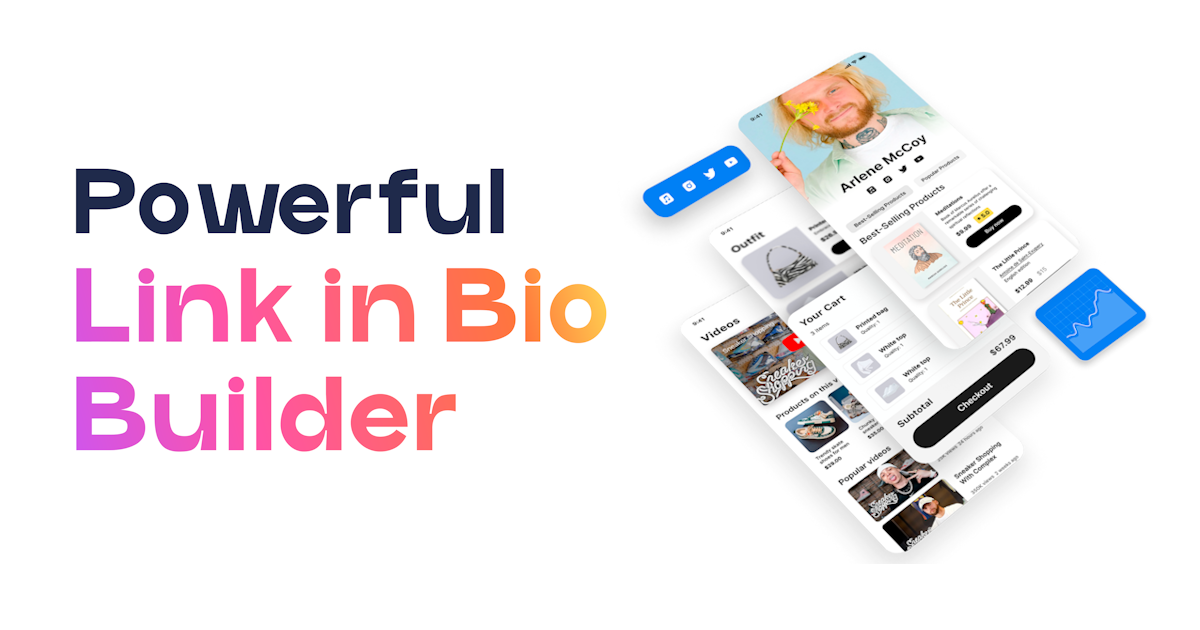
How to Build a YouTube Link Hub on UniLink (Everything in Your Video Description)
Replace a cluttered video description with one clean UniLink page that organizes all your links, affiliate products, courses, and email signup in one place your viewers can actually navigate.
Every YouTube creator faces the same problem: the video description has space for dozens of links, but viewers rarely scroll past the first two lines. The links that matter most — the affiliate product from minute 8, the course you mentioned at the end, the Discord community — get buried under timestamps, hashtags, and boilerplate text. A YouTube link hub on UniLink solves this by giving you one clean URL that fits in every description, then presents all your links in an organized, mobile-friendly page that viewers can actually use.
This guide shows you how to structure a UniLink hub that serves both new visitors (who may be watching their first video) and long-time subscribers (who know exactly what they want to find). The result is higher click-through on affiliate links, more course enrollments, and a steadily growing email list — all from a single link in your bio and description.
What a YouTube Link Hub Does
A YouTube link hub is the single destination you point all your viewers to, regardless of which video they just watched. Instead of filling your description with ten different URLs that go stale over time, you maintain one master page on UniLink and update it as your content evolves. New product recommendation in today's video? Add it to the Shop block. Launching a new course next week? Move it to the top of the page. Your video descriptions never need to change — the hub keeps itself current.
The real power comes from organization. UniLink's Page List block lets you group links by video or by topic so viewers can find what they are looking for in seconds. A tech reviewer might organize by "Laptop Reviews," "Headphone Reviews," and "Productivity Tools." A cooking creator might organize by "Full Recipes," "Kitchen Equipment," and "My Cookbook." Either way, the viewer who arrived from a specific video can browse related content immediately, increasing the chance they click something valuable.
Beyond organization, the hub functions as a conversion funnel. Shop block at the top for impulse buyers. Course or membership section in the middle for motivated viewers. Email signup at the bottom for everyone else. Each section serves a different stage of viewer intent, and UniLink Analytics tells you exactly which sections get the most engagement.
How to Get Started
- Create a new UniLink page — Log in to the UniLink dashboard and click "Create page." Name it something like "YouTube Hub" or your channel name for easy reference.
- Set your channel branding — Upload your YouTube channel art as the cover image and your channel logo as the profile picture. Add your channel tagline in the bio. Viewers who click from your description should instantly recognize they are on your page.
- Choose a clean, minimal theme — Go to Design and select a theme with high contrast and good readability on mobile. Avoid themes with heavy animations that slow down the page — YouTube viewers click through from mobile and expect fast loads.
- Add your YouTube subscribe link at the top — Your first link should always be your YouTube channel subscribe link. Use the format
https://youtube.com/channel/YOURCHANNELID?sub_confirmation=1to prompt visitors to subscribe in one click. - Copy your UniLink URL — Go to Settings → Link and copy your unil.ink/username URL. Paste it in the Website field of your YouTube channel "About" page.
- Add it to your video description template — In YouTube Studio, open your default upload settings and add a line like "All links from this video: unil.ink/yourusername" to your description template. Every future upload will include it automatically.
- Update existing video descriptions in bulk — Use YouTube Studio's bulk description editor to add your UniLink URL to your top-performing older videos. Focus on videos with the highest ongoing view counts first.
How to Use It
- Add a Page List block organized by topic — Click "Add block" → Page List. Create sections matching your main content categories. For each section, add the relevant links: timestamps, tools mentioned, related videos on your channel. Viewers arriving from any video can find related resources without hunting through old descriptions.
- Add a Shop block for affiliate products — Click "Add block" → Shop. Add every product you regularly recommend with an affiliate link. Include the product image, your short review text (one sentence), and the affiliate link. Place this block near the top — affiliate revenue is often the highest-converting income stream from a link hub.
- Add a course or membership upsell block — Use a Banner block or a custom Links block to feature your paid course, membership community, or coaching program. Write a one-line benefit statement, include a compelling image, and link to your sales page. Position this block in the first scroll — viewers who watched your video are already warm leads.
- Add a Video block for your latest upload — Click "Add block" → Video and embed your most recent YouTube video. This keeps the hub current automatically and gives visitors who missed a video a chance to watch directly from your page. It also increases the time visitors spend on your hub.
- Add an email subscribe form — Click "Add block" → Subscribe. Write a short headline promising a benefit: "Get my weekly tool recommendations" or "Free gear guide when you subscribe." Connect your email platform (Mailchimp, ConvertKit, etc.) in Settings → Integrations. This block captures the viewers who are not ready to buy but want to stay connected.
- Pin a "Featured" section at the top — Use a Banner block or a highlighted Links block to feature the most important link from your latest video. Update this every time you publish. Regular viewers will learn to check the featured section first whenever they click through from a new video.
- Add social links for cross-platform following — At the bottom of the page, add a Social Links block with your Instagram, Twitter/X, TikTok, and newsletter links. Viewers who love your content will want to follow you everywhere — make it easy.
Key Settings Explained
| Setting | What it controls | Best practice |
|---|---|---|
| Page List block section labels | The category headings that group your links on the page | Use the same terminology your viewers use in comments and searches. If your audience calls them "gear lists" not "equipment," use "gear lists." |
| Shop block link tracking | Appends your affiliate tag to product links and records click counts in analytics | Always paste your full affiliate URL including tracking parameters. UniLink records the click count; your affiliate platform records the conversion. |
| Banner block CTA text | The button label on course or membership upsell banners | Use action-specific copy: "Join the Community," "Enroll Now," or "Get the Course" instead of generic "Learn More" or "Click Here." |
| Subscribe block integration | Connects the email signup form to your email service provider | Connect your primary email platform and tag new subscribers with a "YouTube hub" tag so you can segment and message them differently from other list sources. |
| Analytics click tracking | Records how many times each link or block has been clicked | Review click data weekly. Links with zero clicks after 30 days should be moved lower on the page or removed. Links with high clicks should move higher. |
unil.ink/yourusername?utm_campaign=video-title — and use that in the description of just that video. UniLink Analytics will show you exactly how many hub visits came from that specific video, helping you identify which topics drive the most off-platform engagement.How to Get the Most Out of It
The biggest lever for a YouTube link hub is placement in the video description. YouTube shows only the first two lines of a description before the "more" button. Your UniLink URL must appear in those first two lines to get clicks. Remove any text that appears before it — including the video title if you paste it there — and lead with the link. A single line like "All my links and gear: unil.ink/yourusername" at the very top of every description will dramatically increase hub traffic compared to burying it after timestamps.
Mention the hub verbally in your videos. Once per video, say something like "everything I mentioned is linked in my bio" or "find all the gear in the description link." Viewers who watch until the end are your most engaged audience — they are the most likely to click through and the most likely to convert on affiliate products or course offers. A verbal callout at the end-screen moment is especially effective.
Use the Page List block to create a "Start Here" section for new visitors. Your most popular video may attract viewers who have never seen your other content. A curated "New Here? Start with these" section with your three best evergreen videos, your most popular free resource, and your email signup reduces the intimidation of a full-length hub and gives new visitors a clear path.
Review your click analytics every month and reorder blocks accordingly. If your course upsell consistently gets fewer clicks than the affiliate Shop block, move the course lower and the Shop block higher. Your data will tell you what your audience actually wants to engage with — let it guide the layout rather than guessing.
Troubleshooting Common Issues
| Problem | Likely cause | Fix |
|---|---|---|
| Hub gets traffic but affiliate links get very few clicks | Shop block is too far down the page or product images do not match what was shown in the video | Move the Shop block to the second position on the page (below subscribe CTA). Update product images to match the exact model or variant shown in the video. |
| Email subscribe form shows zero signups despite hub traffic | Subscribe block is at the bottom of a long page and most visitors leave before reaching it | Add a second, minimal subscribe prompt near the top of the page using a Banner block with a one-field email capture. Keep the full subscribe block at the bottom for thorough browsers. |
| Hub URL does not appear clickable in YouTube mobile app descriptions | YouTube sometimes does not auto-link URLs that lack "https://" | Always write the full URL with https:// — https://unil.ink/yourusername — in your description. YouTube's mobile app will then render it as a tappable link. |
| Page List block links are outdated (pointing to old product pages or discontinued items) | Affiliate products and tools change URLs frequently | Do a monthly link audit using UniLink's built-in link checker (Settings → Links). Replace dead links immediately — broken links destroy trust with viewers who click through. |
Pros
- One URL in every video description replaces dozens of individual links that become outdated at different rates.
- Page List organization lets viewers from any video find the specific resources they are looking for in seconds.
- Analytics show which links and blocks get the most clicks, letting you optimize layout based on real viewer behavior.
- Email signup integration turns one-time viewers into subscribers you own, independent of YouTube's algorithm changes.
Cons
- Requires an initial investment of time to add the hub link to existing video descriptions, especially for channels with hundreds of uploads.
- If you create content across very different niches (e.g., tech reviews and cooking), one hub page may feel unfocused and benefit from separate pages per niche.
- Verbal callouts and pinned comment promotion require ongoing discipline — the hub only works as hard as you promote it in your videos.
Frequently Asked Questions
Should I have one hub for all my videos or a separate page per video?
Start with one hub. A single URL is easier to promote, builds consistent traffic to one place, and is far easier to maintain. Create video-specific landing pages only for major launches (a course release, a brand deal, a product drop) where you need a dedicated conversion experience. Regular video descriptions should all point to the same hub.
Can I connect multiple affiliate programs to my Shop block?
Yes. The Shop block accepts any URL, so you can mix Amazon Associates, ShareASale, Impact, and direct brand affiliate links in the same block. Each product link carries your unique affiliate tracking tag from that program. UniLink records the click; each affiliate platform records the conversion from their side.
Does UniLink work with YouTube Chapters or end screens?
UniLink does not integrate directly with YouTube's native features. However, you can mention your hub URL in an end screen card as a "website" link (YouTube allows one external website link on end screens for eligible channels). You can also add your hub link as a pinned comment for easy access.
How do I track which video sends the most traffic to my hub?
Create a unique UTM link for each video — for example, unil.ink/yourusername?utm_campaign=video-slug — and use that URL only in that video's description. UniLink Analytics groups visits by UTM campaign, giving you a per-video traffic breakdown. Use a consistent URL format so the data is easy to read over time.
What is the best position for the email signup block?
Test two positions: one "teaser" subscribe prompt near the top of the page (after your most important affiliate or course link) and the full subscribe block with the freebie offer further down. Many creators find that visitors who scroll past the shop links and course upsell are the most valuable email subscribers because they are clearly engaged with the content rather than just impulse-clicking.
Key Takeaways
- One UniLink hub URL replaces all the individual links in every video description, making updates instant across your entire channel.
- Use the Page List block to organize links by topic or video category so viewers can find what they need without scrolling through unrelated content.
- The Shop block near the top of the page is typically the highest-converting element for affiliate-driven YouTube channels.
- Video-specific UTM parameters let you measure which videos drive the most hub traffic without managing separate pages per video.
- Always write the full https:// URL in video descriptions so YouTube renders it as a tappable link on mobile.
Ready to build your YouTube link hub?
Create your free UniLink page and give every video description a single, powerful destination link your viewers will actually use.
Get Started FreeCreate Your Free Link-in-Bio Page
Join thousands of creators using UniLink. 40+ blocks, analytics, e-commerce, and AI tools — all free.
Get Started Free